What Is the Best Mold for Soap Making? Why Silicone Reigns Supreme?
Why Silicone Molds Are the Top Choice for Soap Makers?
1. Unmatched Flexibility for Easy Demolding
Unlike rigid plastic or wooden molds, silicone bends and flexes effortlessly. This means you can pop out soap bars without breaking delicate designs – even intricate florals or geometric patterns stay intact.
Pro Tip: Freeze the mold for 10 minutes if stubborn soap sticks to the silicone.
2. Heat Resistance for All Soap-Making Methods
Silicone handles heat like a champ, making it ideal for:
Melt-and-pour soap (poured at up to 160°F/71°C)
Cold process soap (which heats up during saponification)
Hot process soap (cooked at higher temperatures)
✅ Look for molds rated for 300°F (150°C) or higher to avoid warping.
3. Durability That Pays for Itself
High-quality silicone molds last for hundreds of uses if cared for properly. Unlike plastic molds that scratch or wooden ones that absorb oils, silicone resists stains and odors.
Cost Tip: A 15siliconemoldused100timescostsjust * *0.15 per batch**- cheaper than disposable options!
4. Non-Stick Surface = Flawless Finishes
Silicone’s naturally slick surface means no need for greasing or lining molds. Your soap releases smoothly, preserving sharp edges and fine details.
How to Choose the Best Silicone Mold for Your Soap?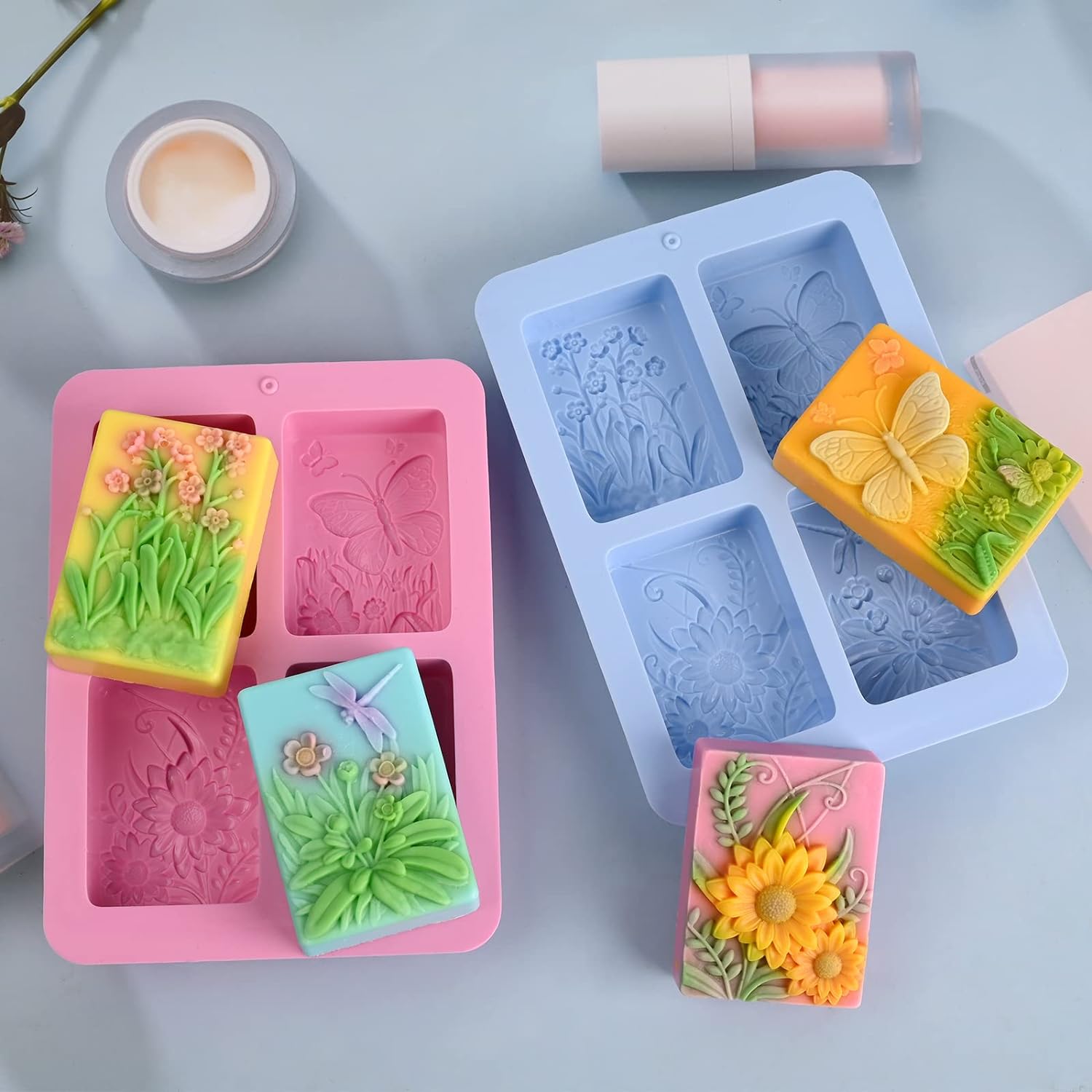
Not all silicone molds are equal. Follow these guidelines to avoid pitfalls:
✅ Opt for Platinum-Cure Silicone
Platinum-cure (vs. cheaper tin-cure) is food-grade, odorless, and longer-lasting.
Ideal for sensitive skin – no toxic chemicals leach into your soap.
✅ Check the Thickness
Thin silicone (<3mm) can warp or tear.
Aim for 4-6mm thickness for stability and reusability.
✅ Prioritize Reputable Brands
Trusted names like Kangde silicone test molds for soap safety.
Avoid unmarked “generic” molds from unknown sellers.
✅ Consider the Design
Cavity size: Standard bars are 3.5–4 oz; smaller cavities work for guest soaps.
Texture: Deep patterns (e.g., waves, leaves) show best in silicone.
Modular molds: Adjustable dividers let you create custom bar sizes.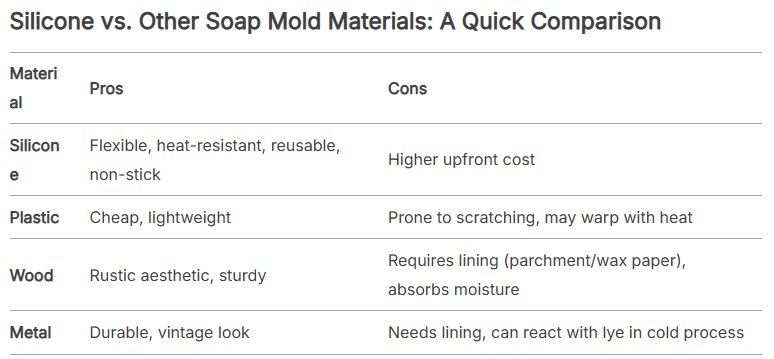
3 Common Silicone Mold Mistakes (and How to Fix Them)
⚠️Rushing the Demolding Process
Problem: Soap sticks if unmolded too soon.
Fix: Let cold/hot process soap cure for 24-48 hours; melt-and-pour needs 2-4 hours.
⚠️Using Harsh Cleaners
Problem: Dish soap with heavy fragrances can cling to silicone.
Fix: Wash with white vinegar or castile soap and warm water.
⚠️Storing in Direct Sunlight
Problem: UV rays degrade silicone over time.
Fix: Keep molds in a cool, dark drawer between uses.
FAQ: Silicone Soap Mold Questions Answered
❓ Can I reuse baking silicone molds for soap?
Yes! Food-grade silicone is safe, but designate molds exclusively for soap to avoid cross-contamination.
❓ Why does my silicone mold feel oily after use?
This is normal with cold process soap. Wash with a degreasing soap (e.g., Dawn) and let air dry.
❓ Are silicone loaf molds good for soap?
Absolutely – they’re perfect for cutting uniform bars. Line with freezer paper for ultra-smooth edges.
Final Verdict: Silicone Is the Smart Investment
For versatility, durability, and professional results, high-quality silicone molds are unbeatable for soap making. While they cost more upfront than plastic or wood, their reusability and flawless finishes make them a cost-effective choice for hobbyists and businesses alike.
Ready to upgrade your soap game? Start with a simple silicone loaf mold or a detailed floral design – your creativity (and your customers) will thank you!


