Is it better to use wooden utensils or silicone utensils?
Wooden utensils: pros and cons
Pros:
Natural material with a classic aesthetic
Gentle on cookware (won't easily scratch nonstick surfaces)
Heat-resistant, suitable for basic cooking tasks
Cons:
Absorbs moisture and odors over time, prone to mold and mildew with improper cleaning and storage
Prone to cracking, warping or chipping
Requires regular oiling and careful hand washing
Hide bacteria in cracks (not dishwasher-safe)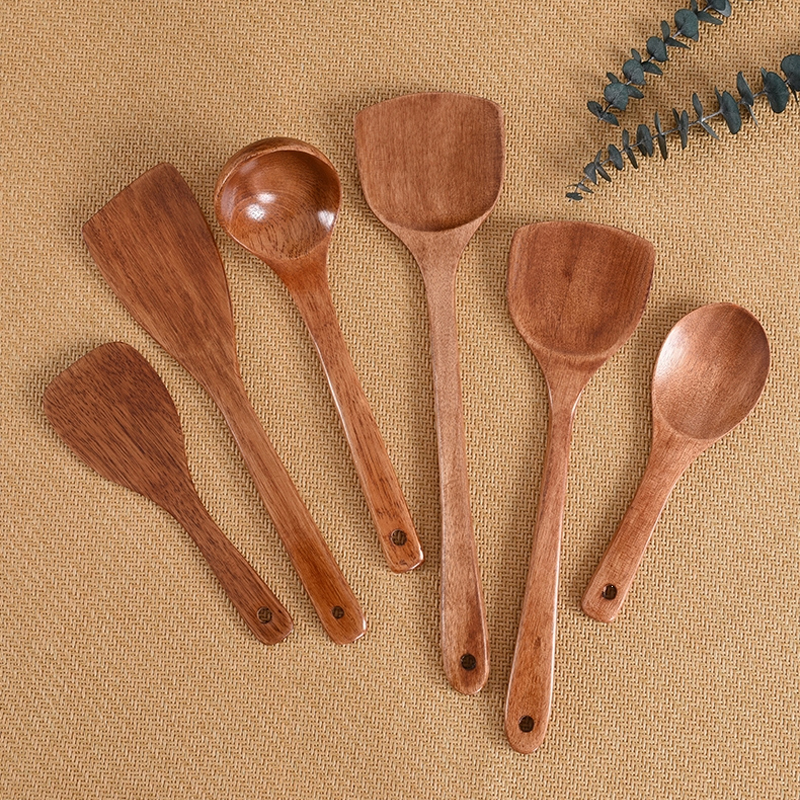
Silicone utensils: Why they're better than wood
Silicone kitchen tools combine safety, functionality and modern design. Here’s why they’re a great choice for today’s kitchens:
1. Heat Resistant
Silicone can withstand temperatures from -40°C to 230°C (-40°F to 446°F), making it perfect for frying, baking or stirring hot soups. Unlike wood, it won’t scorch or release harmful fumes.
2. Non-porous and Hygienic
High-quality silicone resists stains, odors and bacterial growth. It’s dishwasher-safe and dries quickly, ensuring long-lasting cleanliness.
3. Gentle on Cookware
The soft silicone edge protects nonstick and ceramic coatings better than hard wood. No scratches, no regrets.
4. Durable and Low-Maintenance
Silicone won’t crack, bend or splinter. It’s flexible, shatterproof and requires no special care – just toss it in the dishwasher.
5. Versatile Design
From spatulas with built-in scrapers to foldable whisks, silicone tools offer innovative shapes for every cooking task. Bright colors also add a pop of color to your kitchen.
Why Choose Silicone Over Wood?
Tips for buying silicone utensils:
Choose products that are FDA or LFGB certified to ensure food safety.
Check the temperature rating – high temperature resistance is key for versatility.
Choose reinforced silicone with a stainless steel core for heavy-duty tasks.
FAQs
Q: Is silicone safe for cooking?
A: Yes! High-quality food-grade silicone is non-toxic and heat-resistant.
Q: Will silicone utensils melt?
A: Only when exposed to temperatures over 230°C, such as direct flames.
Q: Can they be used with nonstick pans?
A: Of course you can – they are gentler than metal and more durable than wood.
Conclusion
While wooden utensils have a nostalgic appeal, silicone kitchen utensils win in terms of safety, ease of use, and adaptability to modern cooking needs. Their heat resistance, sanitation, and cookware-friendly design make them a worthy upgrade for home chefs and professionals alike.


