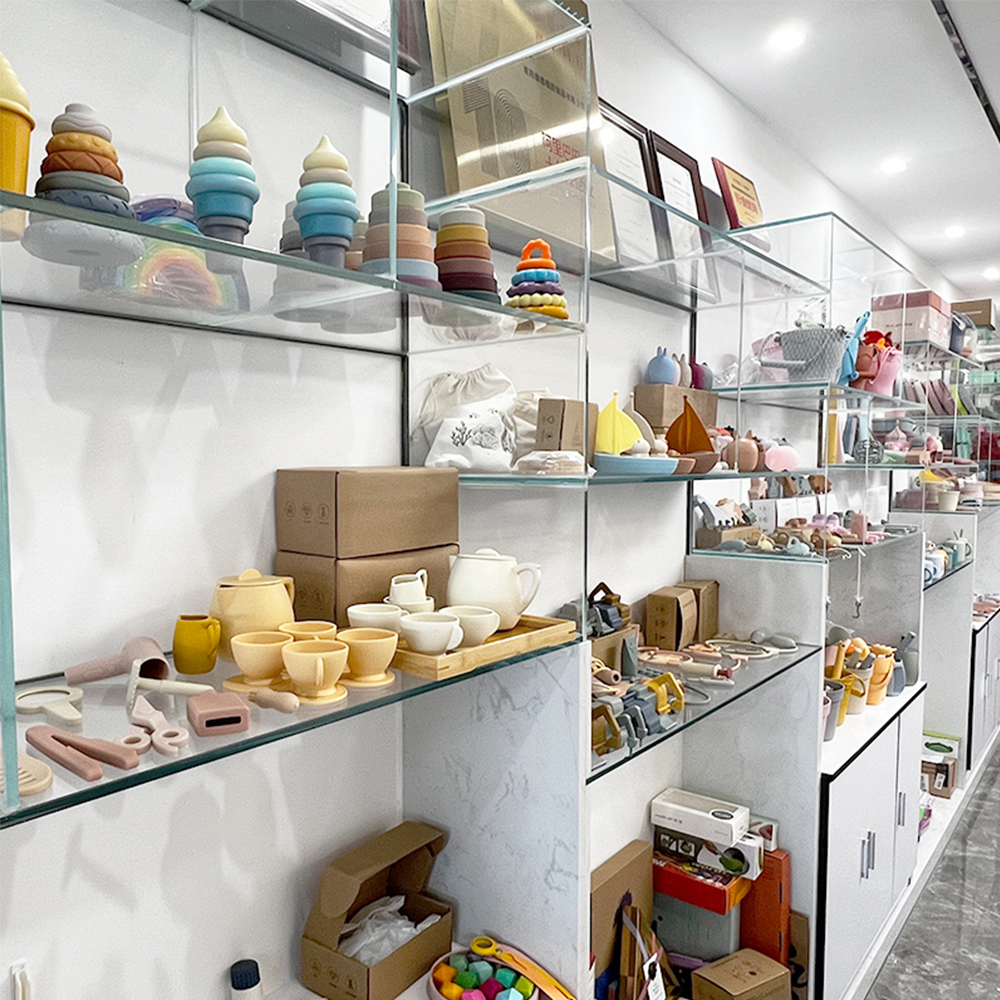
Silicone is the "super-material" of the modern age. It’s in our kitchens, our medical devices, and even our electronics. It’s flexible, heat-resistant, and incredibly durable. But that durability is a double-edged sword: because it doesn’t break down easily, knowing how to dispose of it properly is crucial for the planet.
If you’re staring at an old baking mat or a worn-out seal and wondering what to do, here is your definitive guide to silicone disposal and recycling.
The short answer is yes, but with a catch. You cannot simply toss silicone into your standard curbside recycling bin.
Most municipal recycling programs are designed for "traditional" plastics (like PET or HDPE). Silicone is a synthetic rubber (a polymer made of siloxane), and it requires a specialized high-heat process to be broken down and repurposed. If it ends up in a standard facility, it’s usually treated as a contaminant and sent straight to the landfill.
The most eco-friendly way to dispose of silicone is to send it to a facility that specializes in "downcycling" it. These companies grind the silicone into small granules, which are then used for industrial applications like playground surfaces, athletic tracks, or even new gaskets.
Leading companies in the industry are becoming more conscious of their environmental footprint. When you source your materials from reputable manufacturers like Kangde Silicone, you are often dealing with high-grade, food-safe, or medical-grade materials that are built to last much longer than cheap alternatives.
Kangde Silicone emphasizes durability and quality, which is actually the first step in waste management: reducing the frequency of disposal. While you should check if your specific vendor has a take-back scheme, choosing high-quality silicone from the start ensures you aren't throwing away degraded products every few months.
Before you bin it, ask if it has a second life.
Old baking mats: Can be cut up to use as non-slip grippers under rugs.
Silicone tubes: Can be used as protective sleeves for tools.
Industrial scraps: Can often be reused as padding or insulation in DIY projects.
If you have no access to specialized recycling, silicone can go into the general waste. While not ideal, silicone is inert. Unlike many plastics, it does not leach toxic chemicals into the soil or water as it sits in a landfill. It won't biodegrade, but it also won't poison the local ecosystem.
No. While silicone is heat-resistant, burning it in a backyard setting is unsafe. In an industrial incinerator, it can be burned safely, but at home, it can release smoke and leave a silica ash residue. It is much safer to recycle or landfill it.
No. Silicone is a synthetic material that is designed to be stable. It does not break down via biological processes. This is why it’s great for long-term use but requires intentional disposal.
Because silicone is a rubber-like polymer and not a hard plastic, it doesn't fragment into the same types of "microplastics" that plague our oceans. However, it still shouldn't be discarded in nature.
High-quality silicone, like those produced by Kangde Silicone, will often pass the "pinch test." If you twist or pinch the silicone and it stays the same color, it’s likely pure. If it turns white, it contains chemical fillers, which make it harder to recycle and less durable.