This comprehensive guide combines the essential facts about BPA with the latest insights on why food-grade silicone has emerged as the premier alternative for health-conscious consumers.
Let’s be real—plastic is everywhere. It’s in our water bottles, our food containers, and even the receipts we touch at the grocery store. But if you’ve spent any time in the kitchen aisle lately, you’ve likely seen the "BPA-Free" sticker plastered on everything from baby bottles to spatulas.
Is this just a clever marketing ploy, or does it actually matter for your health? Let’s break down the science of Bisphenol A (BPA) without the jargon.
Bisphenol A (BPA) is an industrial chemical that has been used since the 1950s to make certain plastics and resins. Specifically, it is a key ingredient in polycarbonate plastics (the hard, clear ones) and epoxy resins (used to coat the inside of metal cans to prevent corrosion).
While BPA makes products durable and shatter-resistant, it has a major flaw: it isn’t permanently bonded to the plastic. Over time—especially when heated or washed with harsh detergents—BPA molecules can "leach" out of the container and into your food or drink.
Hormone Mimicry: BPA’s molecular structure is strikingly similar to estrogen. Because of this, it can bind to hormone receptors in your body, potentially "tricking" your system into responding as if actual hormones were present.
Health Links: Research has linked high levels of BPA exposure to a variety of issues, including reproductive health problems, increased risk of type 2 diabetes, and developmental issues in infants.
When a company removes BPA, they often replace it with other chemicals like BPS (Bisphenol S) or BPF (Bisphenol F). Some studies suggest these may have similar endocrine-disrupting effects. To navigate this, check the Resin Identification Code (the number inside the triangle):
| Plastic Code | Material | BPA Status | Recommendation |
| #1, #2, #4, #5 | PET, HDPE, LDPE, PP | Generally BPA-Free | Safest for food storage. |
| #3 | PVC | May contain phthalates | Avoid for food. |
| #7 | "Other" (Polycarbonate) | Likely contains BPA | Avoid unless marked "BPA-Free". |
If you want to move beyond "BPA-Free" and avoid the risk of microplastics, food-grade silicone is the gold standard. Unlike plastic, which is petroleum-based, silicone is derived from silica (sand), making it a much cleaner material for your kitchen.
Zero Microplastic Shedding: Silicone is a stable polymer that does not become brittle or flake into microscopic plastic bits over time.
Extreme Heat Resistance: It can withstand temperatures from freezing to over 425°F (220°C). Unlike plastic, it won't melt or release toxic fumes in the microwave or oven.
Chemically Inert: It does not react with food or liquids. It is naturally free of BPA, BPS, and phthalates.
Durability: It is flexible and shatterproof. A single silicone bag can replace thousands of single-use plastic zip-locks.
Hypoallergenic: Its non-porous surface resists bacterial growth and is incredibly easy to clean (dishwasher safe).
Pro Tip (The Twist Test): To ensure you have 100% pure silicone without cheap fillers, pinch and twist a flat surface. If white shows through, it contains fillers. Pure silicone stays the same color.
Ditch the Heat: Never microwave plastic containers. Use glass or food-grade silicone for reheating.
Choose Fresh Over Canned: Fresh or frozen produce avoids the epoxy liners found in many metal cans.
Upgrade Your Gear: Swap plastic spatulas and storage bags for silicone versions. They last longer and are safer for high-heat cooking.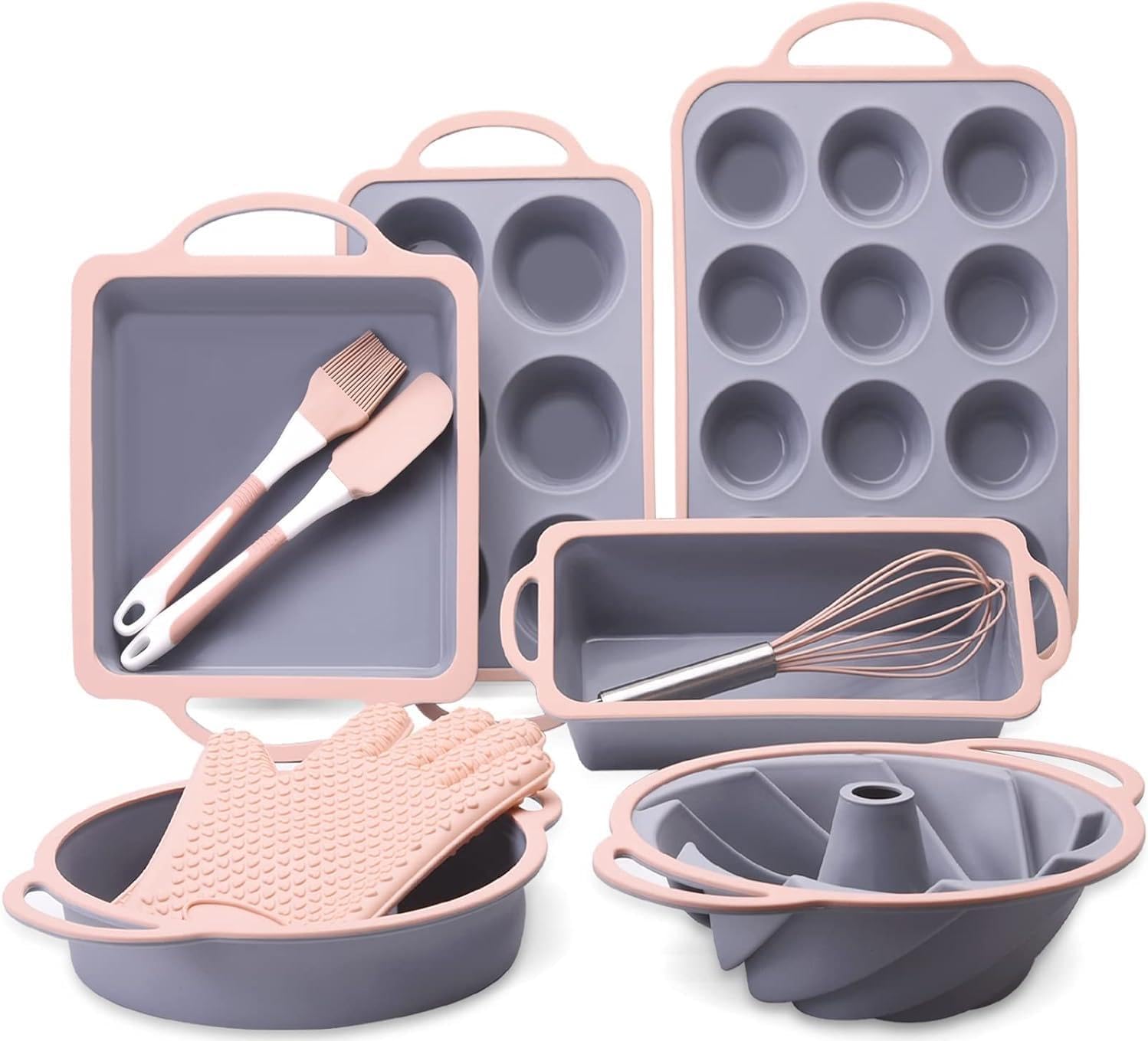
Q: Can BPA be absorbed through the skin?
A: Yes. Thermal paper receipts are often coated in BPA. Wash your hands after handling them, especially before eating.
Q: Is silicone safe for baby products?
A: Yes! Because it is soft, durable, and contains no hormone-disruptors, it is the safest choice for pacifiers, teething toys, and bottle nipples.
Q: Does washing a bottle remove the BPA?
A: No. BPA is part of the plastic's structure. Harsh scrubbing actually creates scratches that make it easier for BPA and microplastics to leach out.
Q: Is silicone biodegradable?
A: While not biodegradable, it is much more eco-friendly than plastic. It doesn't break down into microplastics and is highly recyclable at specialized facilities.


